
Orange County artificial turf can enhance curb appeal while also helping limit the spread of fire around homes and businesses. Class A fire‑rated products add a layer of safety that standard lawns simply do not provide. Fire‑conscious turf is especially valuable in areas with dry seasons and dense development. Property owners gain both a polished look and added peace of mind when surfaces are designed not to act like fuel.
Why Fire-Safe Turf Matters
Orange County experiences warm weather, seasonal dryness, and periodic wildfire conditions. Small embers can travel long distances and land on lawns, planters, and rooftop amenities. Traditional grass and low‑grade fake lawns often dry out and ignite quickly. A fire‑rated turf system is built to resist ignition and slow flame spread instead of feeding it. This difference can change how a fire behaves on a property.
Fire sometimes starts in overlooked areas. Rooftop decks, small side yards, and shared courtyards can all become pathways for flames. Safer materials at these touchpoints reduce the chance that a minor ember becomes a fast‑moving event. Choosing turf with verified fire performance supports a more resilient site design.
What Class A ASTM E108 Means
Class A ASTM E108 is a widely respected fire‑rating standard. It applies to roof coverings and similar surfaces exposed to exterior fire sources. Products with this rating must pass multiple burn and melt tests. These tests measure how quickly fire spreads and how the material reacts under high heat.
Class A turf is designed to melt and blacken rather than burn freely. This behavior slows the progress of flames across the surface. The rating does not mean turf makes a property fireproof. It does mean the surface is less likely to accelerate a fire. That delay can give occupants and first responders more time to react.
Real-World Rooftop Lessons
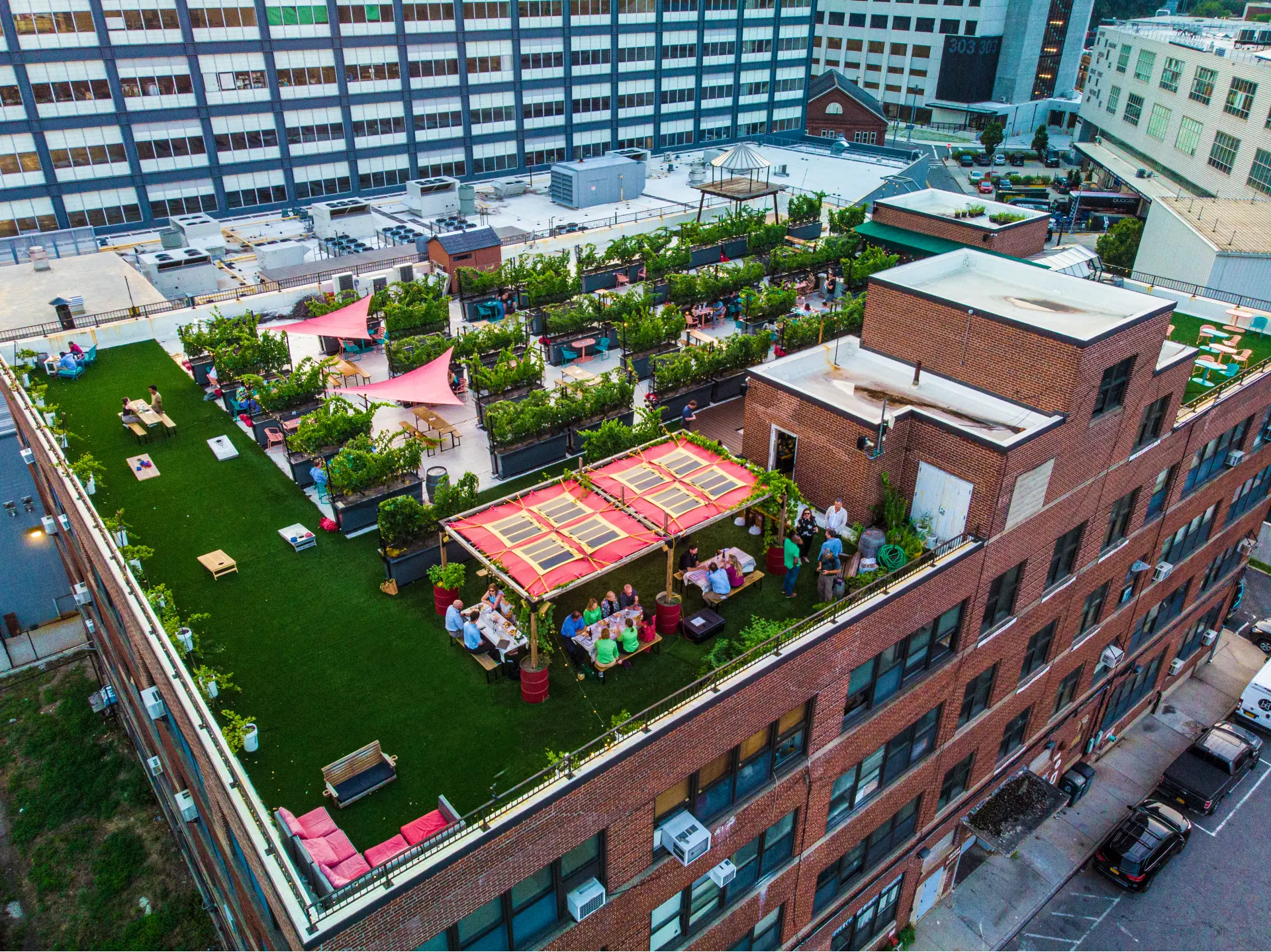
High‑rise and rooftop projects show why these ratings matter. Many buildings use turf for pool decks, lounges, or pet areas. Poor‑quality turf can deform, melt badly, and contribute to flame spread. Heat reflected from glass or nearby structures can escalate the problem.
Turf engineered with stronger fibers and verified fire performance responds differently. Instead of acting like kindling, it helps slow heat transfer. That slower progression can limit damage to surrounding structures. Rooftop spaces that choose Class A materials are better prepared for unexpected fire exposure.
Engineered Safety at Ground Level
Fire‑rated turf supports safety on the ground as well as overhead. Embers can land in front yards, backyards, medians, or common areas. Regular grass often dries out during heat waves. That dryness turns lawns into ready fuel.
A Class A system helps avoid this. The surface is built so it does not support rapid flame spread. The turf may melt at extreme temperatures, yet it resists acting like a fire carrier. Properties near canyons, busy roads, or older structures benefit from this more controlled behavior.
Rooftops, Decks, and Patios
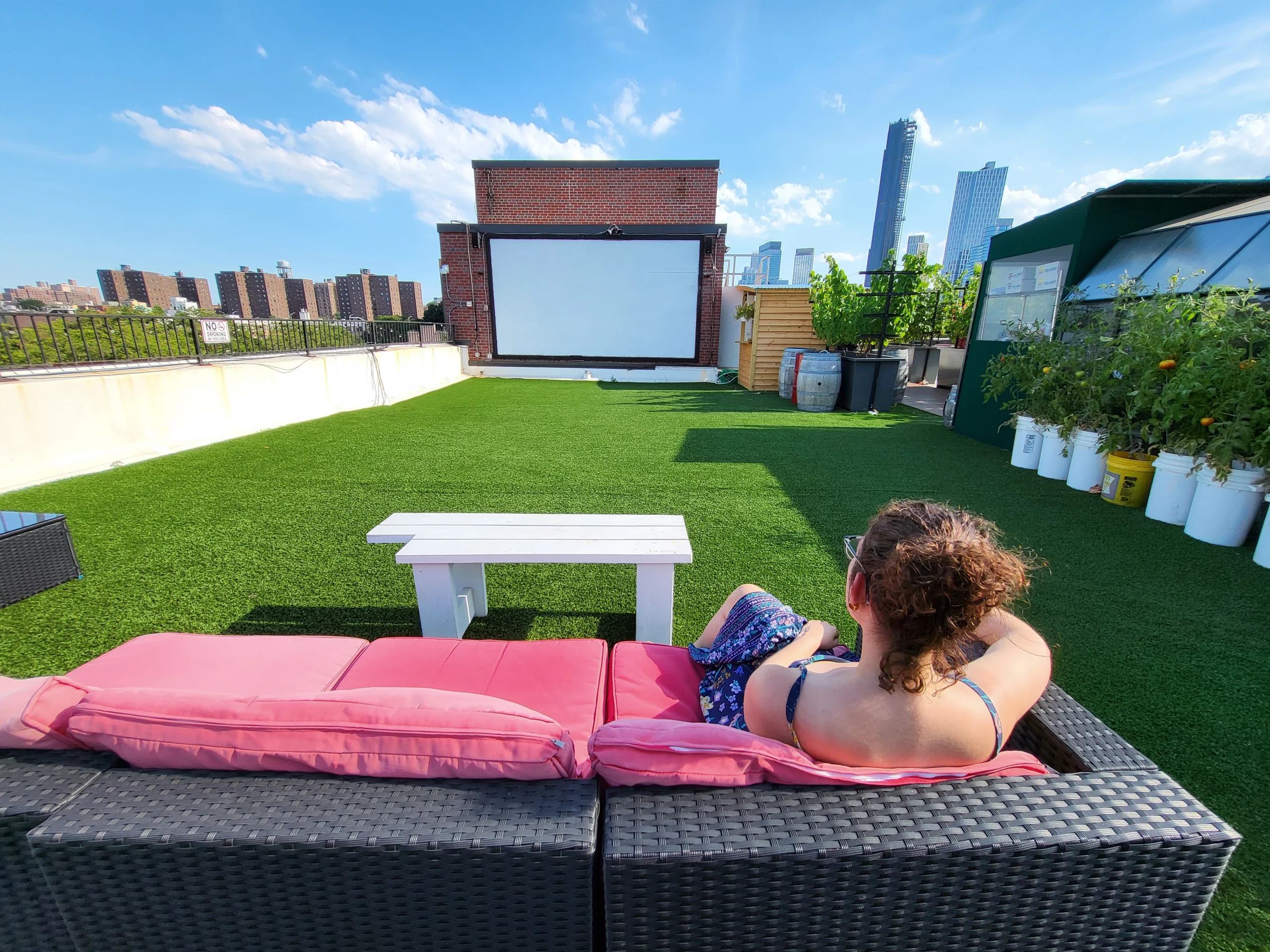
Rooftop and deck installations bring special design pressures. These spaces must balance fire safety, drainage, UV exposure, and structural limits. Roof warranties also depend on compatible materials and methods. Fire‑rated turf can be part of a carefully planned assembly.
Lightweight systems help respect load limits on commercial and residential roofs. Engineered subbases create drainage paths under the turf. Those layers also add cushioning to make walking more comfortable. The result is a safe, usable surface that works with the roof rather than against it.
Turning Unused Space into Safe Space
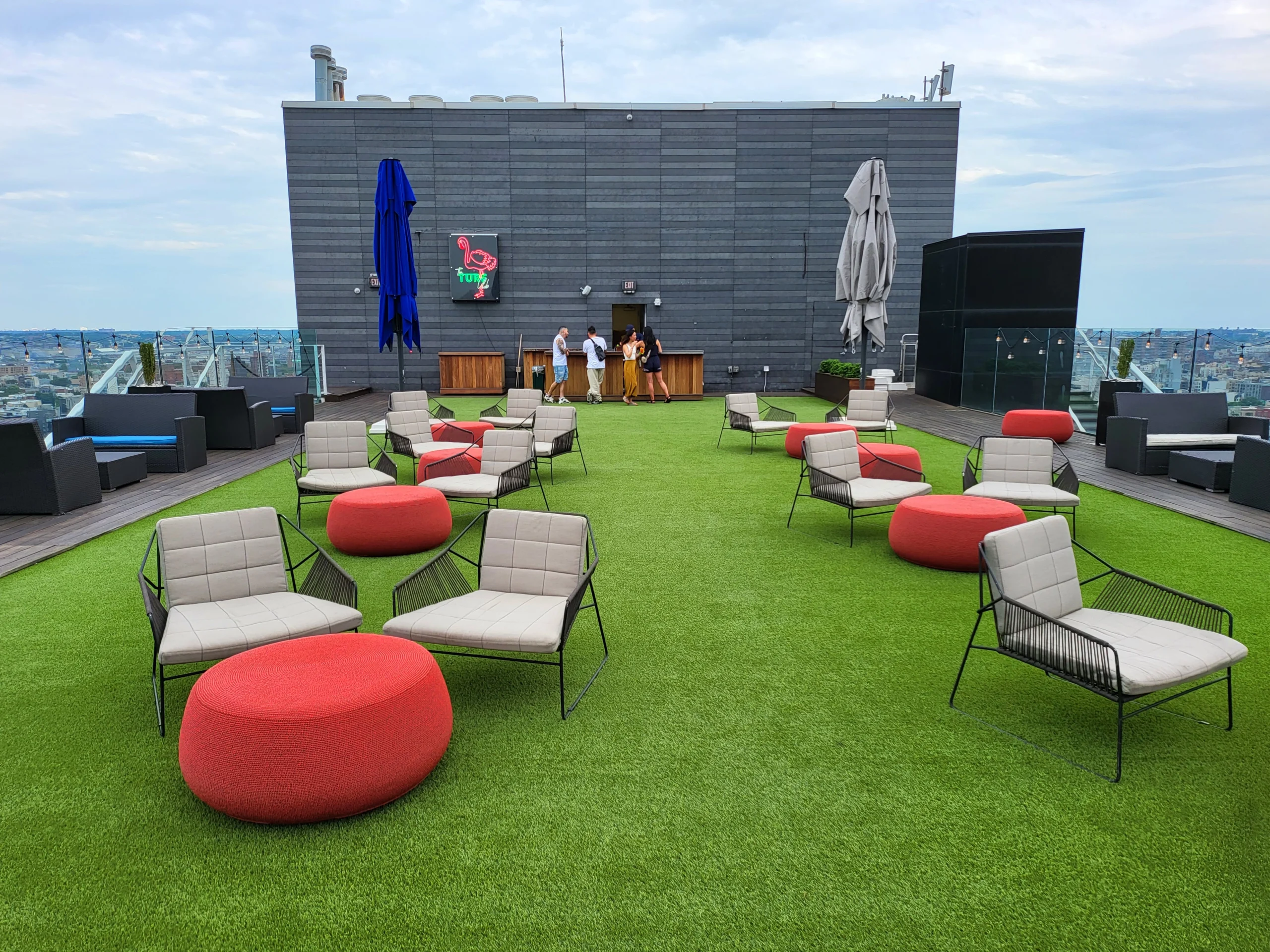
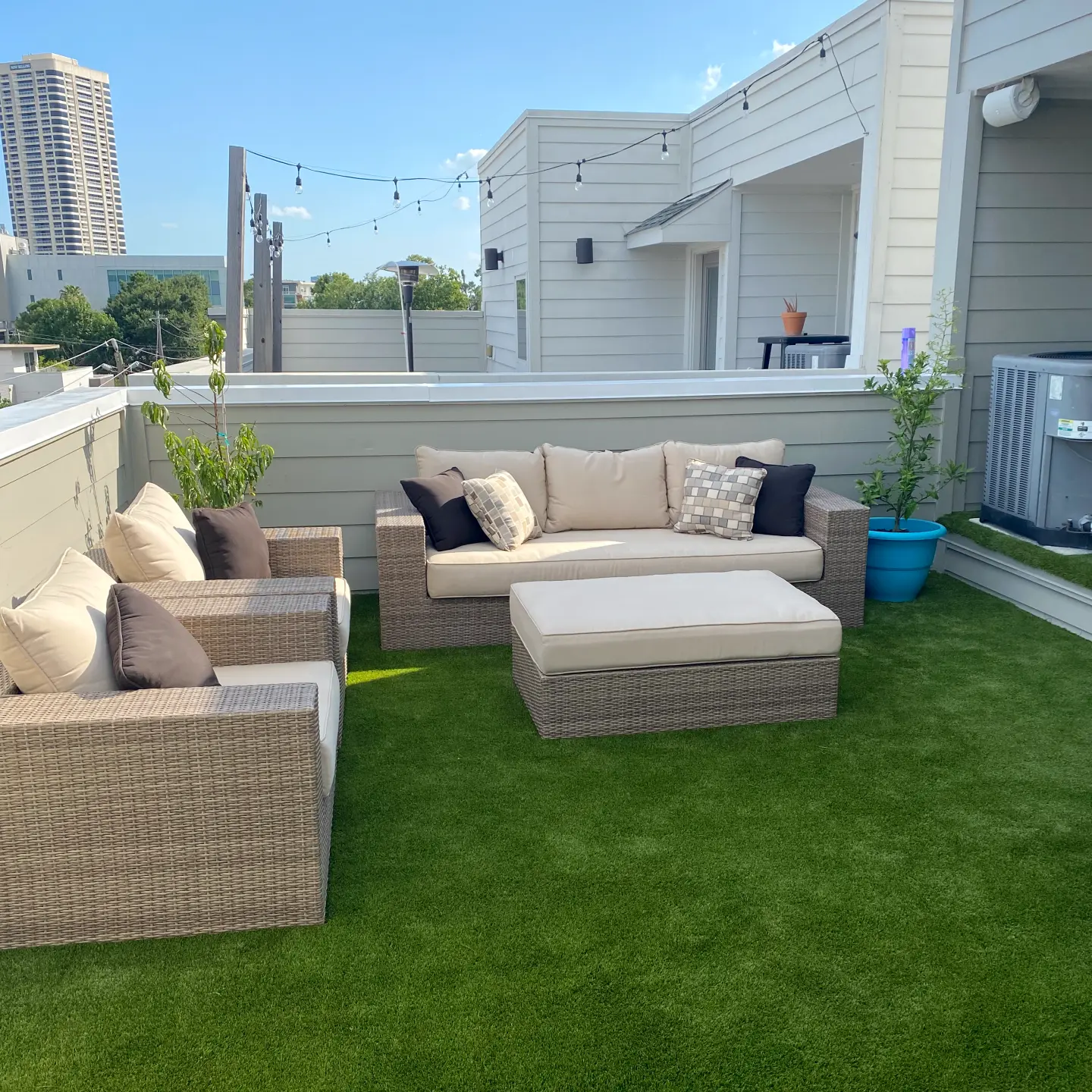
Many roofs and terraces sit underused. Bare membranes, concrete, or pavers are often too stark or uncomfortable for regular use. Fire‑rated turf can turn these areas into inviting outdoor rooms.
Soft green surfaces make roof decks feel more like backyards. Designers can carve out lounge zones, children’s play pockets, or dog‑friendly corners. Recreational areas for putting, bocce, or simple relaxation become possible. Safety‑minded materials ensure these new spaces do not compromise fire performance.
Safety and Sustainability Together
Modern turf technology allows safety and sustainability to work together. Some systems make use of plant‑based ingredients and more efficient manufacturing methods. Long‑lasting installations reduce replacement cycles and waste.
Synthetic turf also cuts water consumption compared to irrigated natural lawns. Reduced mowing lowers emissions from gas equipment. Surfaces that stay green without heavy inputs support long‑term resource savings. Orange County properties can pursue greener design while still prioritizing fire‑aware materials.
Selecting the Right Fire-Rated Turf
Product claims are not enough on their own. Owners and specifiers should confirm that a turf system carries a documented Class A ASTM E108 rating. Clear test data outlines how the surface behaves under flame and high heat. Verified information is more reliable than vague “fire safe” language.
Site conditions must also guide selection. Installers should evaluate existing membranes, insulation, wood framing, or concrete slabs. Proper subbase design and drainage details are essential. Local professionals who regularly handle rooftops and commercial work are better prepared to integrate turf into code‑compliant assemblies.
Orange County Projects and Peace of Mind
Orange County artificial turf projects that rely on Class A fire‑rated systems offer more than cosmetic upgrades. These installations help slow flame spread on lawns, courtyards, and rooftop amenities while still delivering a refined, low‑maintenance appearance. Synthetic turf and synthetic grass options with documented fire performance support safer design in a region where outdoor living and fire awareness go hand in hand.
Schedule a Free Consultation Today!
Property owners searching for “artificial turf near me” should prioritize partners who understand fire ratings, rooftop assemblies, and long‑term performance. Contact a SYNLawn specialist today to review Class A options, plan your project, and create a safer, greener outdoor environment with Orange County artificial turf.